Honey Lime Chicken

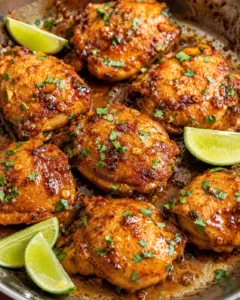
Honey lime chicken is a bright, easy dinner built around a simple glaze of honey, soy sauce, fresh lime juice, garlic, and a little cayenne. The chicken bakes directly in that flavorful mixture, so the cooking time also helps the sauce reduce around the meat. After a brief broil, the skin takes on a glossy, lightly charred finish.
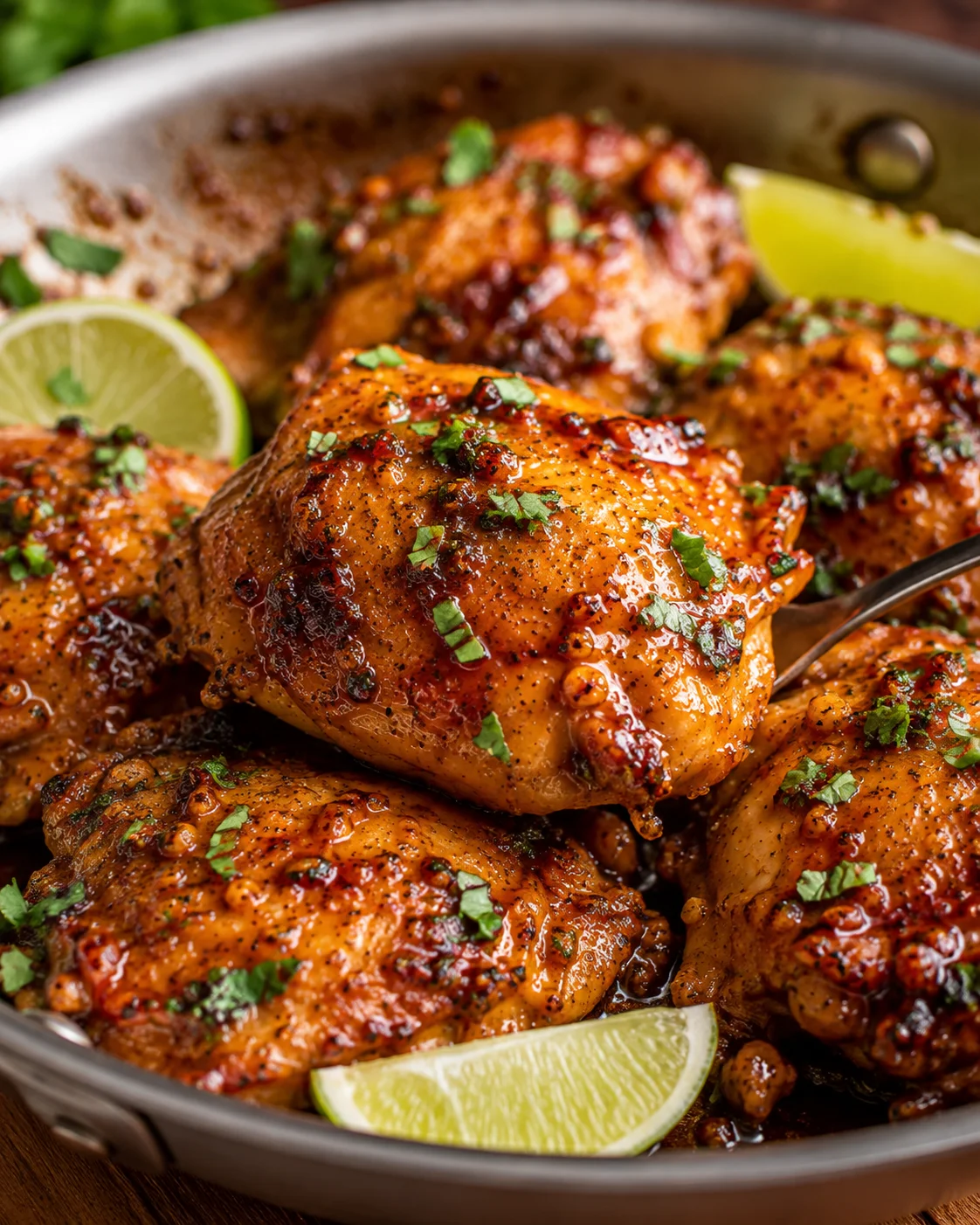
Among quick lime chicken recipes, this one stands out for its balance: honey brings sweetness, soy sauce adds savory depth, and lime keeps the glaze fresh and tangy. The method takes about 5 minutes to prepare and 20 minutes to cook, making it a practical choice when dinner needs to come together without a long marinade.
Use boneless, deboned, skin-on chicken thighs for the juiciest result described here, or choose another option from the variations below. Serve the chicken with rice, vegetables, or pasta, and spoon any extra glaze over the side dish.
Why You Will Love This
This honey lime chicken has a lot going for it without requiring a complicated process. The ingredients are easy to recognize, the chicken and glaze cook together on one foil-lined baking sheet, and most of the 25-minute total time is hands-off. Loosely covering the pan while the chicken bakes helps protect the honey from burning; the short broil at the end adds color and char when skin-on thighs are used.
- Sweet, tangy, and savory: Honey, soy sauce, and fresh lime juice create the central flavor, while garlic and cayenne add depth and a little heat.
- One-pan cleanup: Lining the baking sheet with aluminum foil keeps the chicken and its marinade together and makes cleanup easier.
- Flexible cooking options: The chicken can be baked and broiled as written, or adapted for a skillet, grill, or air fryer.
- Easy to serve: The glaze works especially well with rice and vegetables, and extra sauce can be drizzled over those sides.
- Short preparation: The basic method needs only about 5 minutes of prep before the chicken goes into the oven.
Ingredients
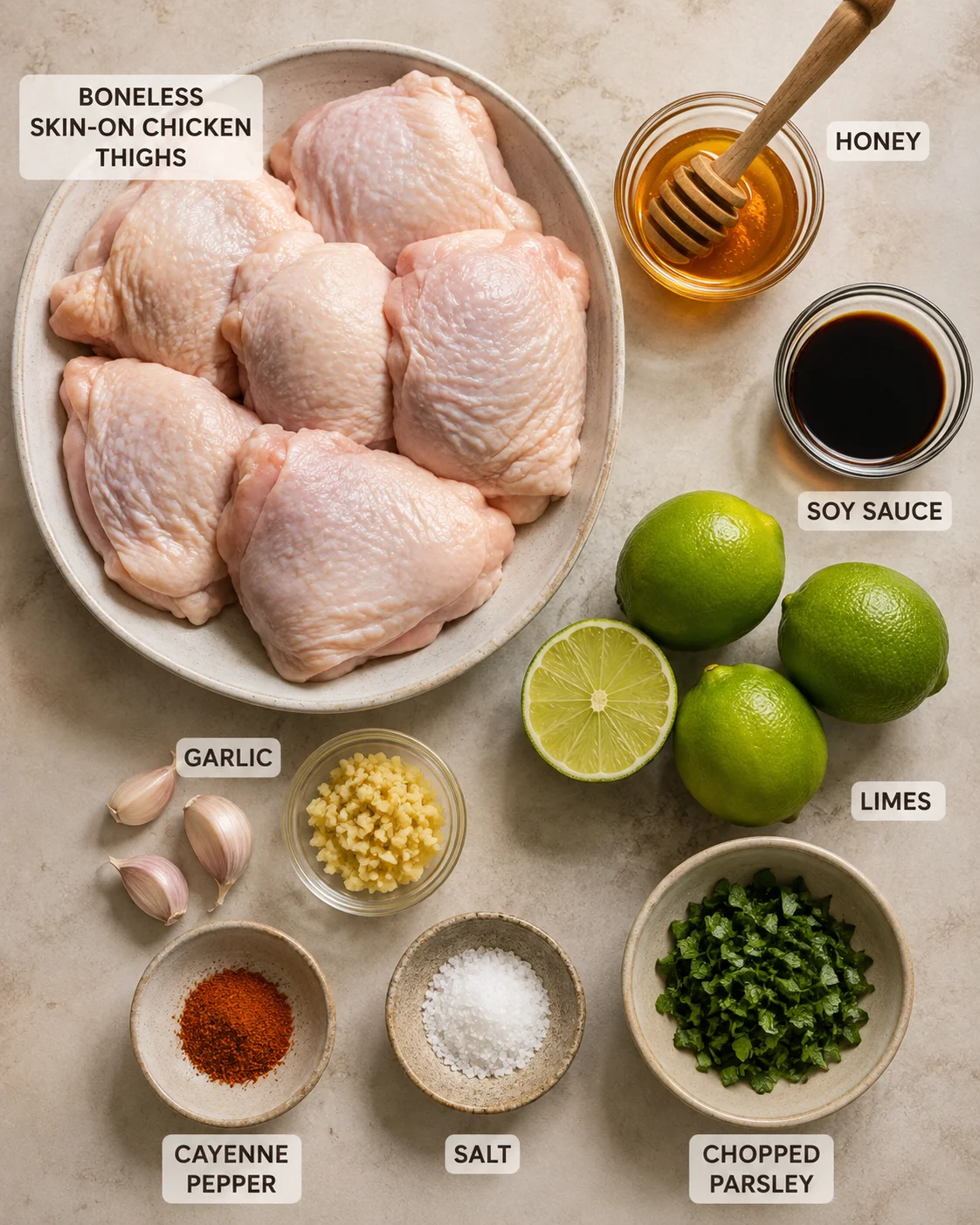
The quantities below make 3 servings. The ingredient list is short, but each item has a clear role in the glaze and the finished chicken.
- 1 lb (500g) chicken thighs, deboned and skin-on: Boneless thigh fillets cook conveniently in the baking method while the skin can brown and char under the broiler. Bone-in thighs are also an option if preferred.
- 3 cloves garlic, minced: Rub the garlic directly onto the chicken so its flavor reaches the meat, then let it mingle with the honey-lime mixture as it cooks.
- 2 tablespoons honey: Honey supplies the glaze’s sweetness and helps it become glossy as the sauce reduces. Watch it closely during any high-heat finishing step.
- 1.5 tablespoons soy sauce: Soy sauce brings savory, salty depth to the otherwise bright glaze.
- 2 tablespoons freshly squeezed lime juice: Fresh lime juice gives the chicken its zesty acidity. Keep lime wedges for squeezing over the finished chicken as well.
- 3 dashes cayenne pepper: This adds a gentle hint of heat. Leave it out for a milder version.
- 1 big pinch salt: Add it with the other glaze ingredients.
- Chopped parsley, for garnish: Sprinkle it over the chicken after it comes out of the oven.
- Lime wedges, for serving: Squeeze them over the chicken just before eating for an extra lift of lime flavor.
Freshly squeezed lime juice is the preferred choice for the brightest flavor. If lime is unavailable, see the substitution guidance in the variations and FAQ sections.
Instructions
Set up the pan before mixing the glaze so the coated chicken can go straight into the oven. The aluminum foil is part of the practical one-pan method, and the loose foil cover helps keep the honey mixture from scorching while the chicken cooks.
- Heat the oven. Preheat the oven to 400°F (207°C).
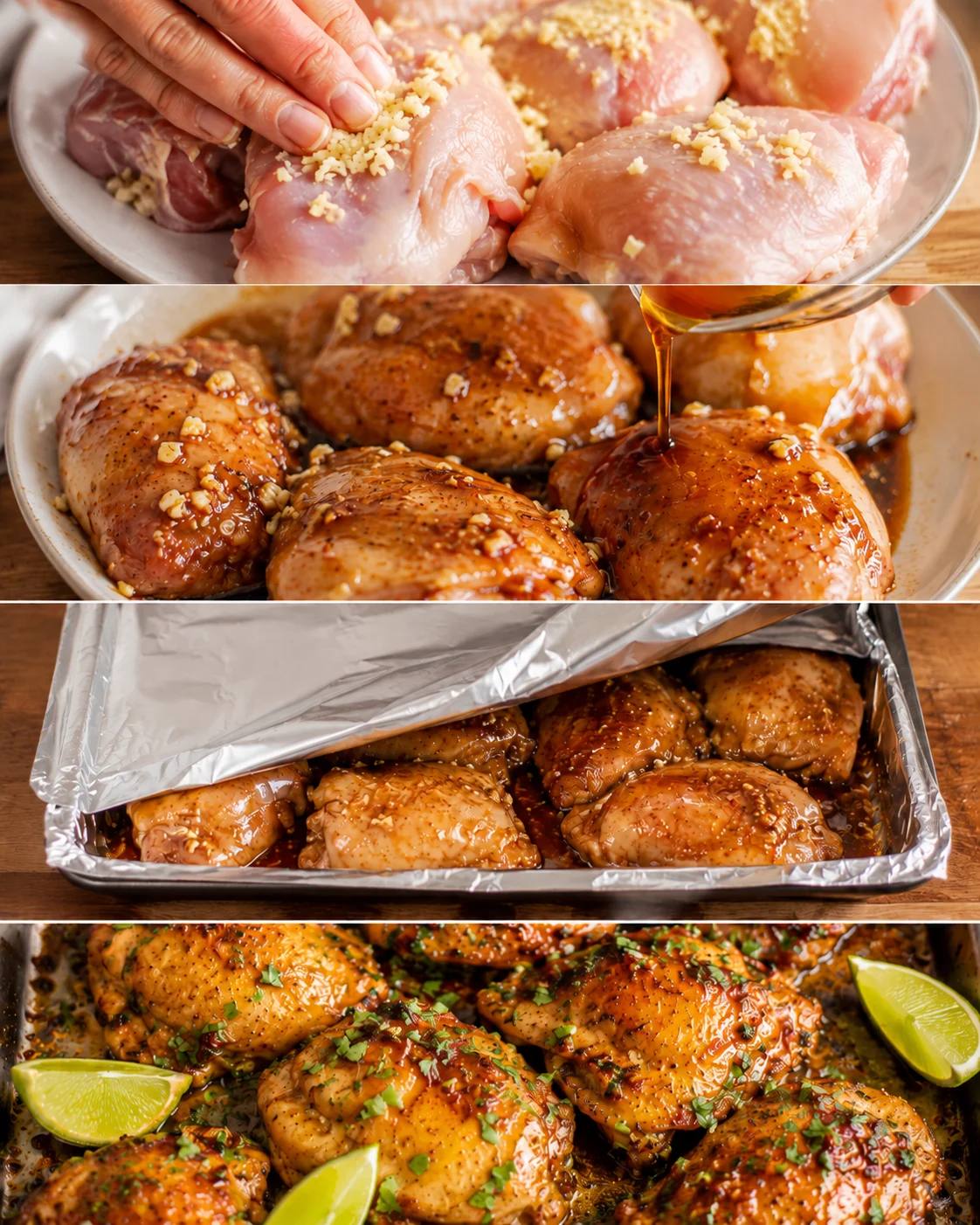
- Coat the chicken with garlic. Place the chicken thighs on your work surface and rub the minced garlic all over them with your hands, covering the pieces as evenly as possible.
- Add the glaze ingredients. Drizzle the honey, soy sauce, lime juice, cayenne pepper, and salt over the chicken. Stir everything together so the thighs are well coated in the honey-lime mixture.
- Prepare the baking sheet. Transfer the chicken and all of the marinade to a baking sheet lined with aluminum foil. Loosely cover the chicken with another piece of foil. The cover helps prevent the honey from burning before the chicken is cooked through.
- Bake. Bake for about 20 minutes, or until the chicken is fully cooked. During baking, the sauce reduces and becomes more concentrated. If it pools at the bottom of the foil, spoon some of it up and brush it over the chicken.
- Broil for color. Broil the chicken for about 1 minute, or until the skin is charred. Broiling is optional, but it is the step that gives skin-on thighs their crisp, lightly charred finish. Keep a close eye on the chicken because the honey glaze can darken quickly.
- Garnish and serve. Remove the chicken from the heat, sprinkle with chopped parsley, and squeeze lime wedges over the top before serving.
If you want more glaze for spooning over rice or vegetables, double the marinade. Keep the chicken and sauce together during baking so the flavor develops in the pan.
How the glaze and chicken come together
This is a direct-to-pan method rather than a long traditional marinade. The chicken is rubbed with garlic first, then coated with honey, soy sauce, lime juice, cayenne, and salt before it goes onto the foil-lined baking sheet. As the chicken bakes, the liquid around it heats and reduces, concentrating the sweet, salty, garlicky, and tangy flavors. That is why the pan sauce can become so useful for spooning over a side dish.
The loose foil cover has two jobs. It gives the chicken time to cook while shielding the honey from the oven’s direct heat, and it keeps the pan easy to manage. If you see sauce collecting underneath the chicken, spooning it over the pieces returns that flavor to the surface. Once the chicken is cooked, the brief broil changes the finish: skin-on thighs can pick up the crisp, charred quality highlighted in the recipe, while boneless skinless pieces are better left without that extra blast of heat.
For the most even coating, mix the ingredients directly over the chicken and turn the thighs through the glaze before covering the pan. The garlic does not need a separate sauce-making step; rubbing it onto the meat lets it season the chicken while the marinade gathers around it. Fresh lime juice supplies the sharp note that keeps the honey from tasting flat, and cayenne can be adjusted by leaving it out when a mild dinner is preferred.
There is also room to choose the pace that suits your evening. Bake immediately for the quickest version, or let the coated chicken stand in the sauce for about 30 minutes when you have time. The longer lime-marination guidance tops out at 2 hours, so the make-ahead option is useful without turning this into an all-day preparation. Whichever route you choose, the important sequence stays the same: coat, cover, bake, spoon up the sauce if it pools, then finish briefly under the broiler when the cut can handle it.
Tips for Success
A few small choices make the baked version easier to manage and help you get the texture described in the recipe.
- Pat the chicken dry before coating it. This helps the marinade adhere to the surface and supports better caramelization. It also helps prevent the sauce from becoming overly watery as the chicken releases moisture during cooking.
- Use the loose foil cover. Honey can burn under prolonged high heat. Covering the chicken while it bakes protects the glaze, then removing or opening the cover for the brief broil allows the skin to char.
- Spoon up pooling sauce. If the glaze collects on the foil, brush it back over the chicken during baking. This keeps the surface coated and makes the most of the sauce.
- Broil with the right cut. Skin-on thighs are the best match for the charred-skin finish. Boneless, skinless thighs or chicken breasts will not brown in the same way, so the broiling step can be skipped for those cuts; broiling them may dry the meat without producing the same crisp char.
- Do not over-marinate in lime. A 30-minute marinade can be used when there is extra time, while the FAQ guidance gives 30 minutes to 2 hours as an ideal range. Marinating much longer in lime juice can make the chicken too soft because the acid breaks down the meat’s proteins.
- Keep an eye on the heat. Whether finishing under the broiler or using a skillet, honey can burn. The glaze should become glossy and browned, not blackened.
- Make the sauce more generous. Doubling the marinade gives you more to drizzle over rice or vegetables. The method still uses the same baking sequence.
For a stovetop shortcut, cook the chicken in a pan or cast-iron skillet over medium heat and turn it often so the honey marinade does not burn. The more detailed skillet guidance below uses a little oil over medium-high heat and cooks the chicken for about 10 to 12 minutes, turning occasionally, until it is golden brown and cooked through.
Variations and Substitutions
The baked method is written for deboned, skin-on chicken thighs, but the flavor combination can move in several directions.
- Bone-in thighs: Use bone-in chicken thighs if you prefer. Different cuts may cook at different rates, so use the recipe’s doneness cue and cook until the chicken is fully cooked.
- Boneless, skinless thighs or breasts: These work when white meat or a skinless option is preferred. They will not develop the same crispy char as skin-on thighs, so skipping the broiler is recommended.
- Salmon: Salmon can replace the chicken. Bake it at 400°F (207°C) for about 12 to 15 minutes, or until it flakes easily, then add lime juice before serving. A one-minute broil can add color to the top.
- Skillet chicken: Heat a little oil over medium-high heat and cook the chicken for about 10 to 12 minutes, turning occasionally until golden and cooked through. Brush with the marinade as it cooks, but watch the heat so the honey does not burn. A medium-heat cast-iron method with frequent turning is another option when time is short.
- Grilled chicken: Cook over medium-high heat, turning from time to time until fully cooked. You can brush the chicken with the marinade while grilling for extra flavor, but keep watch for burning.
- Air-fryer chicken: Preheat the air fryer to 375°F (190°C) and cook for about 12 to 15 minutes, flipping halfway through. Brush with the marinade during cooking for a sticky glaze.
- Lime alternatives: Lemon, a pineapple-lemon combination, or an orange-lemon mixture can stand in for lime juice. These swaps change the flavor, so add them with the understanding that the result will not taste exactly like the lime version.
- More lime variations: For a different direction, cilantro can be added for a fresh herb flavor; chipotle chili powder can add smoky heat; tequila can deepen the marinade; or chili powder can be paired with grilling for a smoky chili-lime version.
Storage, Make-Ahead, and Freezing
For make-ahead flavor, the chicken can marinate in the sauce for about 30 minutes. The guidance for lime marinades places the ideal range at 30 minutes to 2 hours; avoid leaving the chicken in lime juice much longer because the meat can become too soft. If you are not marinating ahead, the direct-to-pan method still works: coat the chicken and bake it right away.
Cool leftovers to room temperature, then transfer the chicken to an airtight container. Refrigerate it for up to 3 days. If you have extra sauce, keep it in a separate container so it can be drizzled over rice or vegetables.
To reheat, microwave the chicken on medium heat for 1 to 2 minutes, or warm it in a covered skillet over low heat with a splash of water or sauce. For a crispier skin, finish it under the broiler for a minute or two. The chicken can also be frozen in a freezer-safe container or resealable bag with as much air pressed out as possible for up to 1 month. Thaw it overnight in the refrigerator before reheating.
Serving Suggestions
Serve the chicken while it is hot, with parsley and fresh lime juice over the top. The sweet-tangy glaze pairs naturally with plain rice or cilantro-lime rice, which can catch any sauce left in the pan. Roasted spring vegetables, sautéed asparagus, or brown-butter garlic honey-roasted carrots add a vegetable side without competing with the lime.
For a more substantial dinner, serve it alongside one-pot pasta with spinach and tomatoes or creamy garlic Parmesan fettuccine. A fresh salad with your favorite vinaigrette gives the meal a lighter direction. If you doubled the marinade, spoon the extra glaze over the rice or vegetables rather than letting it go to waste.
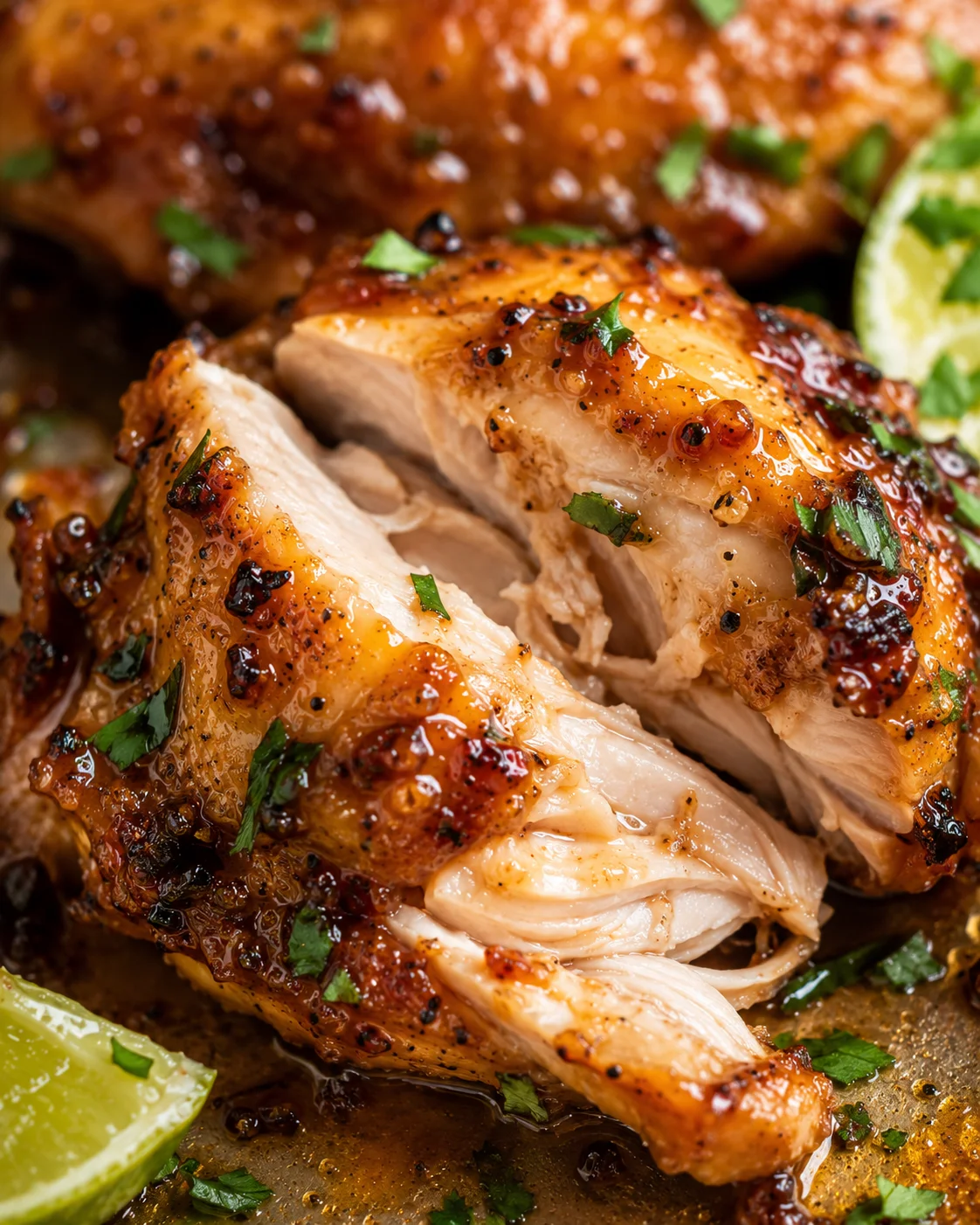
The finished chicken should have a glossy glaze, bright lime aroma, and tender meat. Skin-on pieces can take on a lightly charred surface after the one-minute broil, while skinless pieces will remain less browned and are better served without expecting that crisp finish.
Frequently Asked Questions
Can I use the leftover marinade as a sauce?
Yes, but bring the marinade to a boil before using it as a sauce because it has been in contact with raw chicken. Extra sauce that was kept separate can be drizzled over rice or vegetables.
Why does the honey-lime sauce become watery?
Chicken can release moisture as it cooks, which may thin the sauce. Patting the chicken dry before adding the marinade helps it cling to the surface and gives the glaze a better chance to caramelize. If sauce pools on the foil during baking, spoon it up and brush it over the chicken.
Can I grill instead of bake the chicken?
Yes. Heat the grill to medium-high and cook the chicken, turning it occasionally until fully cooked. Brushing with the marinade adds flavor, but watch carefully because the honey can burn over high heat.
Can I cook this honey lime chicken in a skillet?
Yes. Add a little oil to a skillet over medium-high heat, then cook the chicken for about 10 to 12 minutes, turning occasionally until it is golden brown and cooked through. Brush with the marinade while it cooks and adjust the heat as needed to keep the honey from burning.
How long should chicken marinate in lime?
About 30 minutes to 2 hours is the ideal range given for this lime-based marinade. Longer marinating can make the chicken soft or mushy as the lime’s acidity breaks down proteins. A 30-minute marinade is also enough when you have a little extra time before cooking.
How should I make the salmon variation?
Replace the chicken with salmon and bake at 400°F (207°C) for about 12 to 15 minutes, or until it flakes easily. Squeeze lime juice over it after baking, and broil for about 1 minute if you want a little color on top.
Nutrition
Per serving: 389 calories, 15g carbohydrates, 26g protein, 25g fat, 7g saturated fat, 5g polyunsaturated fat, 10g monounsaturated fat, 0.1g trans fat, 148mg cholesterol, and 621mg sodium. The recipe serves 3 people.
PrintA bright and easy baked chicken recipe featuring a sweet and tangy honey, soy sauce, lime, garlic, and cayenne glaze with a glossy, lightly charred finish.
- Prep Time: 5 minutes
- Cook Time: 20 minutes baking, plus 1 minute optional broil
- Total Time: 25 minutes
- Yield: 3 servings 1x
- Category: Main Course
- Cuisine: American
Ingredients
- 1 lb (500g) boneless, skin-on chicken thighs
- 3 cloves garlic, minced
- 2 tablespoons honey
- 1.5 tablespoons soy sauce
- 2 tablespoons freshly squeezed lime juice
- 3 dashes cayenne pepper
- 1 big pinch salt
- Chopped parsley, for garnish
- Lime wedges, for serving
Instructions
- Preheat the oven to 400°F (207°C).
- Rub the minced garlic evenly all over the chicken thighs.
- Drizzle honey, soy sauce, lime juice, cayenne pepper, and salt over the chicken. Stir to coat the chicken thoroughly with the glaze.
- Line a baking sheet with aluminum foil and transfer the chicken and marinade onto it.
- Loosely cover the chicken with another piece of foil to prevent the honey from burning.
- Bake the chicken for about 20 minutes or until fully cooked.
- If sauce pools at the bottom, spoon some over the chicken to coat.
- Optionally broil the chicken for about 1 minute to char the skin, watching closely to avoid burning.
- Remove from heat, sprinkle with chopped parsley, and serve with lime wedges to squeeze on top.
Notes
For milder heat, omit cayenne pepper., Pat chicken dry before applying garlic to improve glaze adhesion and caramelization., Broil only if using skin-on thighs to develop a crispy, charred finish; skip for skinless cuts., Marinate chicken for 30 minutes to 2 hours if time permits, but avoid longer to prevent meat from becoming too soft., Extra glaze can be doubled and spooned over rice, vegetables, or pasta., Alternative cooking methods include skillet (10-12 minutes, medium-high heat, with oil), grilling (medium-high heat, turning until cooked), or air fryer (375°F for 12-15 minutes, flip halfway)., Salmon can replace chicken, baking at 400°F for 12-15 minutes until flaky, optionally broil 1 minute.
Nutrition
- Serving Size: Approximately 1/3 lb of cooked chicken per serving
- Calories: 389 calories per serving
- Fat: 25g per serving
- Carbohydrates: 15g per serving
- Protein: 26g per serving