Simple Macaron Magic: A Beginner’s Sweet Success Recipe
If you’ve ever been scared off by the thought of making macarons at home, breathe easy. This macarons for beginners recipe breaks it down into simple, manageable steps anyone can follow.
These delicate little cookies, bursting with color and charm, are totally doable—even if you’ve never baked them before.
Sure, professional pastry chefs guard their tricks closely, but I’m here to share a straightforward approach that takes away all the stress.
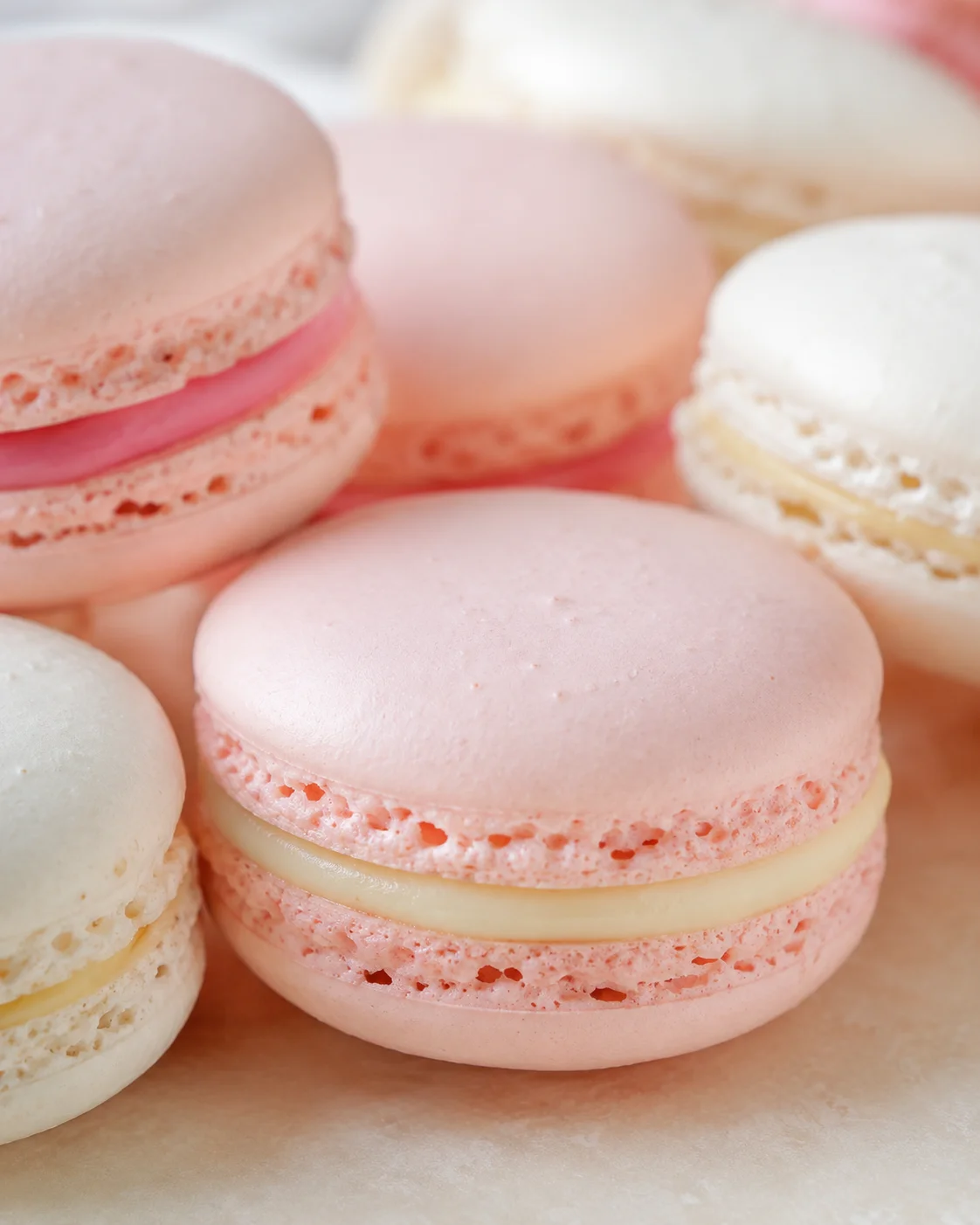
You’ll get crisp, perfectly smooth shells hugging a luscious filling—textures and flavors that pair beautifully.
Every bite offers that magical combo of light crispness and rich creaminess that feels special but doesn’t require a baking degree.
With easy-to-follow instructions and clever tips, you’ll soon be whipping up these French little gems right in your own kitchen.
Once you give this recipe a try, you’ll see why baking macarons can be such a fun, rewarding kitchen adventure.
Macarons might seem tricky, but this macarons for beginners recipe guides you step-by-step so you can skip the confusion and get right to the fun part. Using clear directions, simple ingredients you probably already have, plus helpful tips, you’ll learn how to achieve those shiny, crisp shells with the famous “feet” and soft center.
The process is straightforward: around 30 minutes of hands-on prep, 20-23 minutes of baking, and a crucial overnight chill in the fridge to develop texture and flavor—yes, macarons need a little patience. You’ll end up with about 13 lovely macarons, each around 161 calories. All you need are basic tools like a mixer (stand or hand), a fine sifter, a piping bag, and baking sheets.
Here’s what you can expect to find in the recipe ahead:
- How to craft crisp, shiny shells with the right meringue and batter consistency.
- A smooth, custardy buttercream filling plus assembly tips and the importance of aging the filled macarons.
- Smart troubleshooting advice including resting times, oven hacks, and moisture control to help boost your success.
- Flavor ideas, ingredient swaps, and storage tips including fridge and freezer options.
Keep reading for all the ingredients, step-by-step instructions, and insider tips that make this classic French treat totally achievable for home cooks like us.
Easy, Reliable, Bakery-Style Results
This macarons for beginners recipe delivers all the elegance and charm macarons promise, without the usual headache. It’s a great balance of reliable technique and room to personalize, so you end up with beautiful, bakery-worthy macarons right from your own oven.
- Perfect for beginners. Step-by-step instructions, plus baking tips and troubleshooting advice (like how to rest your shells, check your batter, and monitor your oven) help you nail it even on your first tries.
- Classic, dependable texture. This method gives you the hallmark crispy tops, delicate “feet,” and tender inside everyone loves.
- Simple, everyday ingredients. All your staples — almond flour, sugar, eggs — and basic kitchen gear make this doable without specialty shopping.
- Great for make-ahead and storage. You can refrigerate filled macarons to deepen flavors overnight or freeze unfilled shells, so you can bake on your schedule.
- Endless flavor options. Play with colors, shell flavors like matcha or cocoa, and fillings from buttercream to ganache for endless fun.
- Beautiful gifts and party treats. Their striking look and delicate taste make them showstoppers at any gathering or a sweet homemade gift idea.
- Naturally gluten-free. Made with almond flour, these macarons are gluten-free (always check labels if gluten sensitivity is a concern).
- Builds your baking skills. You’ll learn key techniques like macaronage and perfect meringue that will help you tackle other precise baking projects confidently.
To sum up: this macarons for beginners recipe turns a traditionally fussy pastry into something approachable and fun. You’ll enjoy not just eating these treats, but making them, too.
This approachable macarons for beginners recipe takes the elegance and charm of French macarons and makes them accessible to home bakers. Clear, simple steps, common pantry ingredients, and smart tips take the guesswork and stress out of your baking experience.
Here’s what’s in store:
- Glossy, crisp shells with classic “feet” and soft centers.
- A smooth, custard-style buttercream that balances perfectly with the nutty almond shells.
- Helpful techniques and troubleshooting tips (how long to rest shells, checking your batter’s texture, and oven advice) to raise your success rate.
- Flexibility with storage and make-ahead options—refrigerate filled macarons for a day for better flavor or freeze unfilled shells for later.
Ingredients for Shells and Filling
- 70 g egg whites (room temperature)
- 75 g fine granulated sugar
- 100 g super-fine almond flour
- 65 g powdered sugar
- 3 ½ tbsps milk
- ½ cup (115 g) unsalted butter (softened)
- 2 large egg yolks
- ¼ cup (50 g) granulated sugar
- ¼ tsp cream of tartar (optional)
- ¼ tsp coarse kosher salt
- 1 tsp pure vanilla extract
- gel food coloring (if desired)
Make Macarons Step by Step
- Bring egg whites to room temperature (about 30 minutes).
- Preheat oven to 300°F (150°C) and line two baking sheets with parchment paper or silicone mats.
- Wipe bowls, whisk, and workspace dry to remove any moisture.
- Sift almond flour and powdered sugar together twice.
- In a clean, dry bowl whip egg whites with granulated sugar, cream of tartar (optional), and salt until firm, glossy stiff peaks form.
- Add gel food coloring if desired and mix briefly.
-
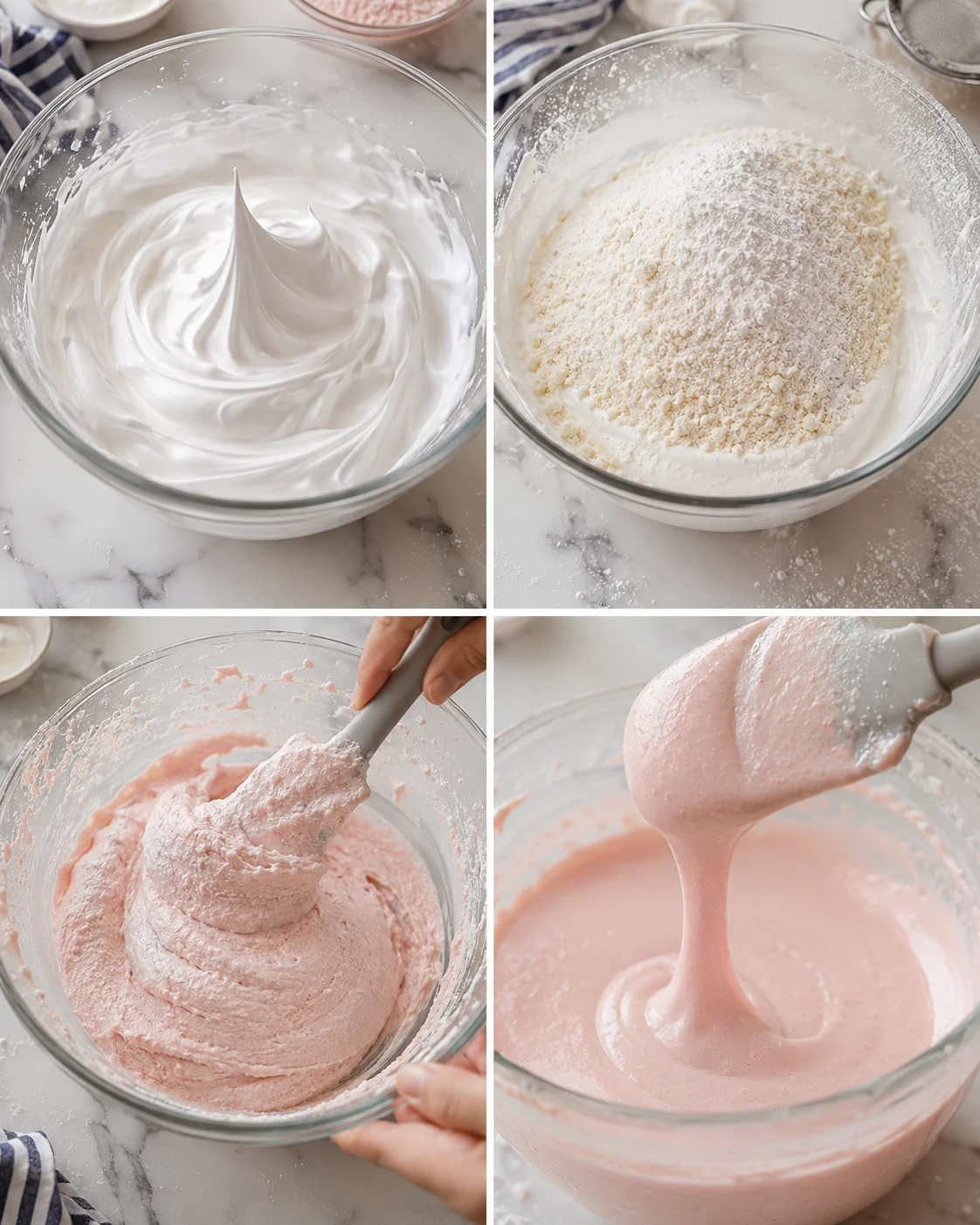
Gently fold the sifted dry ingredients into the meringue using a silicone spatula with a figure-eight motion until the batter flows slowly like ribbons and the pattern disappears (about 10 seconds).
- Transfer batter to a piping bag and pipe uniform 1.5-inch rounds onto the prepared sheets.
- Tap the baking sheets on the counter and use a toothpick to pop any surface air bubbles.
- Let piped shells rest at room temperature about 15 minutes to form a delicate skin.
- Bake on the oven’s middle rack at 300°F (150°C) for 15–18 minutes until shells are set and lightly crisp.
- Cool shells completely on the baking sheet or a wire rack before removing.
- Whisk egg yolks with sugar, stir in milk, and cook gently in a saucepan until thickened to a custard-like pudding; cool to room temperature.
- Beat softened butter into the cooled custard in stages, then add vanilla extract to form a smooth buttercream.
- Match shells by size, pipe a dollop of buttercream onto the flat side of one shell, top with the matching shell, and press gently to sandwich.
Flavor Swaps and Filling Ideas
Want to shake things up? Here are some easy flavor ideas you can try without changing the method:
- Add 1-2 teaspoons matcha powder or 1-2 tablespoons unsweetened cocoa powder folded into your dry mix (adjust almond flour slightly when using cocoa) for green tea or chocolate macarons.
- Switch out the custard buttercream filling for luscious chocolate ganache, lemon curd, or a vibrant fruit jam—or go with salted caramel (see these Salted Caramel Macarons for technique).
- Brighten your buttercream with a few drops of rose, lavender, almond, or citrus extracts for aromatic flair.
- Use concentrated natural gel colors or sprinkle in small amounts of freeze-dried fruit powders like raspberry or blueberry to tint your shells without adding extra liquid—see these Delicious Raspberry Macarons for a fruity example.
- For a nut-free option, some bakers substitute blanched sunflower seed flour 1:1 for almond flour. Keep in mind it may darken slightly or change the flavor, so test a small batch first.
-
Looking for vegan macarons? Aquafaba (chickpea liquid) can replace egg whites, but this needs different whipping and folding techniques than this egg-white-based recipe.
.
Notes
- Double-sift almond flour and powdered sugar to get rid of any lumps for smooth, even shells you’ll be proud of.
- Whip your egg whites to firm peaks that hold their shape to create a stable meringue and give your macarons the best texture.
- Fold the batter gently, using a figure-eight motion until the batter flows slowly and the pattern disappears in about 10 seconds—this is your sign the batter is just right.
- Don’t skip the resting time! Let your piped shells develop a skin for about 15 minutes before baking to prevent cracking and get those
Macaron FAQs and Troubleshooting
-
Q: Why do I need to let the shells rest before baking?
A: Resting builds a thin, dry skin that helps your macarons rise evenly and form their smooth tops and signature “feet.” Plan for about 15 minutes to get this just right.
-
Q: How do I know when the batter is the right consistency?
A: Use the ribbon test: when you lift your spatula, the batter should flow slowly in a ribbon and the figure-eight pattern you fold in should mostly disappear within 10 seconds.
-
Q: My shells crack or don’t develop feet – what went wrong?
A: This usually means either not resting the shells long enough, too much moisture around, incorrect oven temperature, or batter that’s under- or over-mixed. Make sure to rest shells, keep your workspace dry, and check your oven temperature with a thermometer.
-
Q: Can I use cold or aged egg whites?
A: Egg whites should be room temp for best volume and texture. Some bakers use aged whites (left in the fridge covered for 1-2 days) for more stable meringue, but this recipe works beautifully with fresh, room-temp whites.
-
Q: How should I store finished macarons and how long do they keep?
A: Store filled macarons airtight in the fridge for up to 5 days (take out 30 minutes before eating). Unfilled shells freeze well, individually wrapped, for up to 3 months.
-
Q: Are macarons gluten-free?
A: Yes, these macarons use almond flour and are naturally gluten-free. If you enjoy baking with almond flour, try our fluffy, gluten-free almond flour pancakes. Always double-check processed ingredients if gluten is a concern.
-
Q: Why did my macarons turn out hollow inside?
A: Hollow shells often mean the batter was too loose (overmixed) or oven temperature might have been off. Aim for the perfect ribbon stage and steady oven heat to avoid this.
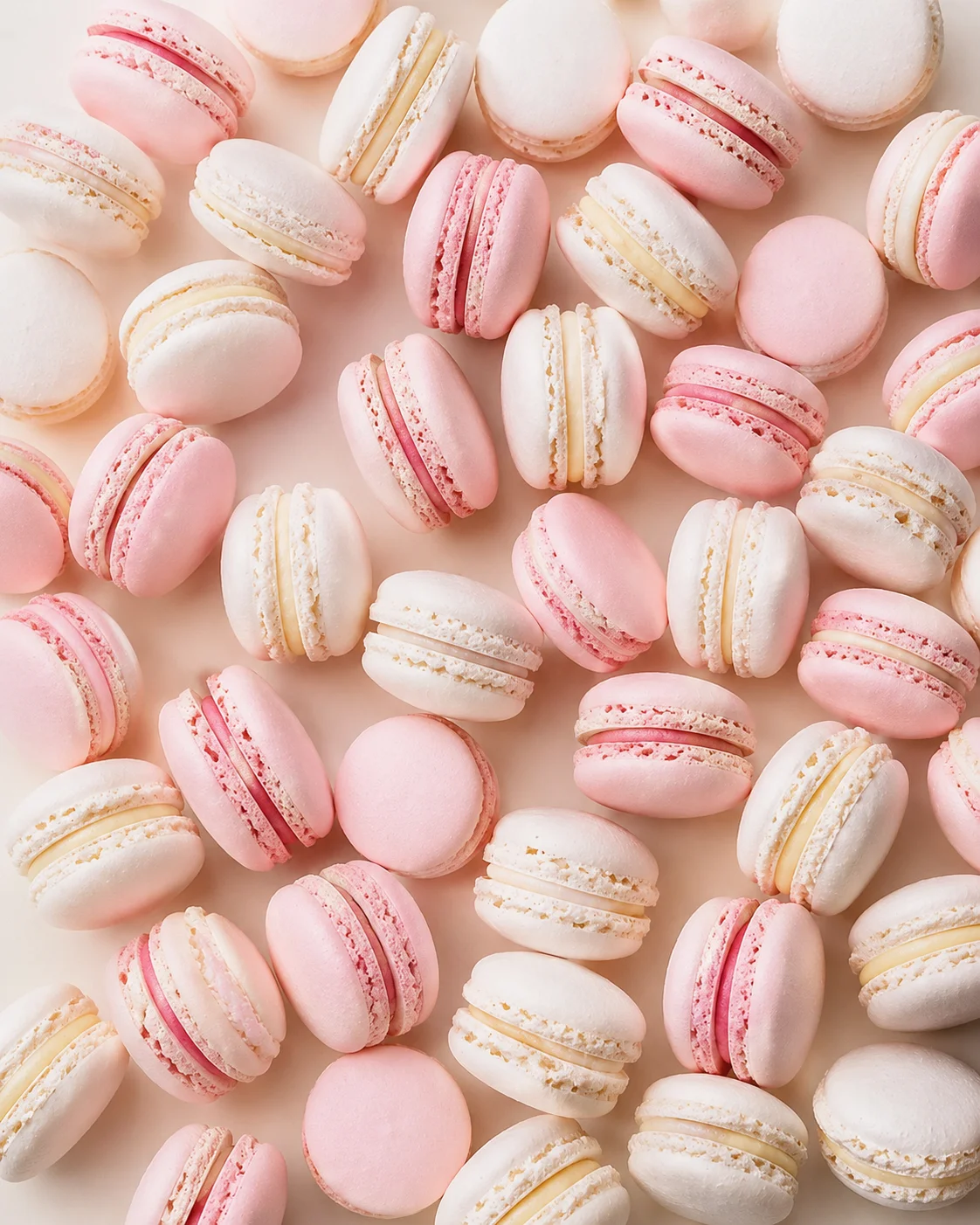
A beginner-friendly French macaron recipe that yields crisp, glossy shells with classic ‘feet’ and a smooth custard buttercream filling. This recipe uses straightforward steps and simple ingredients to help home bakers create elegant, bakery-style macarons.
- Prep Time: 30 minutes
- Cook Time: 20-23 minutes
- Total Time: 24 hours, 50-53 minutes
- Yield: 13 macarons 1x
- Category: Desserts, Snacks
- Cuisine: French
Ingredients
- 70 g egg whites (room temperature)
- 75 g fine granulated sugar
- 100 g super-fine almond flour
- 65 g powdered sugar
- 3 ½ tablespoons milk
- ½ cup (115 g) unsalted butter (softened)
- 2 large egg yolks
- ¼ cup (50 g) granulated sugar
- ¼ teaspoon cream of tartar (optional)
- ¼ teaspoon coarse kosher salt
- 1 teaspoon pure vanilla extract
- Gel food coloring (optional)
Instructions
- Bring egg whites to room temperature (about 30 minutes).
- Preheat oven to 300°F (150°C) and line two baking sheets with parchment paper or silicone mats.
- Wipe bowls, whisk, and workspace dry to remove moisture.
- Sift almond flour and powdered sugar together twice.
- Whip egg whites with granulated sugar, cream of tartar, and salt until firm, glossy stiff peaks form.
- Add gel food coloring if desired and mix briefly.
- Gently fold sifted dry ingredients into meringue using a figure-eight motion until batter flows slowly like ribbons and pattern disappears (~10 seconds).
- Transfer batter to piping bag and pipe uniform 1.5-inch rounds onto prepared sheets.
- Tap baking sheets to release air bubbles and pop any with a toothpick.
- Let piped shells rest at room temperature about 15 minutes to form a delicate skin.
- Bake on oven middle rack at 300°F (150°C) for 15–18 minutes until shells are set and lightly crisp.
- Cool shells completely on baking sheet or wire rack before removing.
- Whisk egg yolks with sugar, stir in milk, and cook gently until thickened to a custard-like pudding; cool to room temperature.
- Beat softened butter into cooled custard in stages, then add vanilla extract to form smooth buttercream.
- Match shells by size, pipe buttercream onto flat side of one shell, top with matching shell, and press gently to sandwich.
- Refrigerate assembled macarons for 24 hours to develop flavor and texture.
- Take macarons out of fridge 30 minutes before serving to reach perfect melt-in-mouth temperature.
Notes
Double-sift almond flour and powdered sugar for lump-free smooth shells., Whip egg whites to firm peaks to create stable meringue for best texture., Fold batter gently using figure-eight motion until it flows slowly like lava; about 10 seconds is ideal., Rest piped shells 15 minutes before baking to develop skin and prevent cracking to form feet.
Nutrition
- Serving Size: 1 macaron
- Calories: 161 kcal per macaron
- Fat: 8 g
- Carbohydrates: 21 g
- Protein: 2 g
More in Recipes
Healthy Pumpkin Truffles
10-Minute Vegan Pumpkin Pasta
Gluten Free Pumpkin Muffins