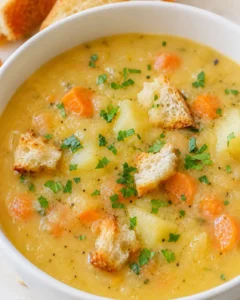
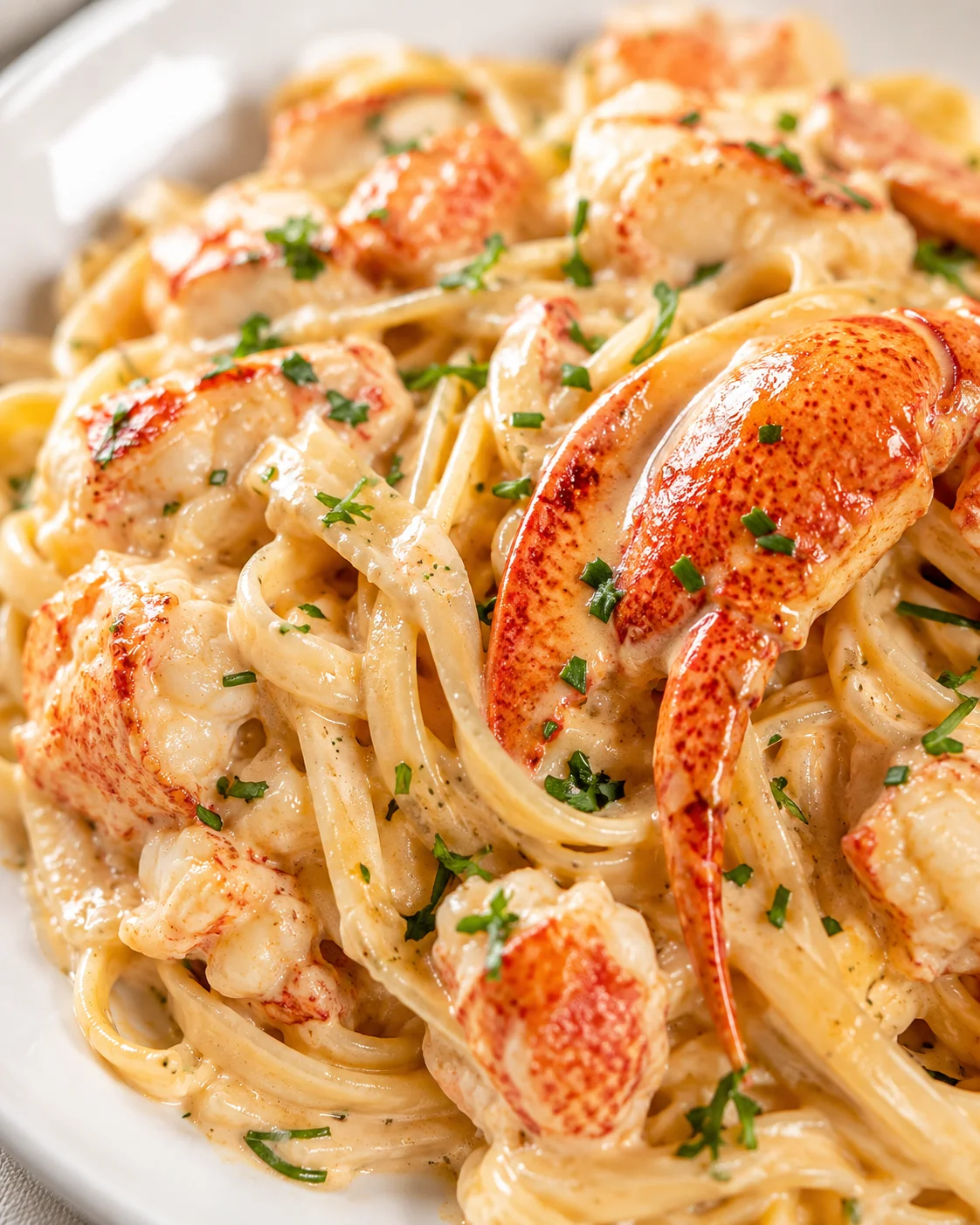
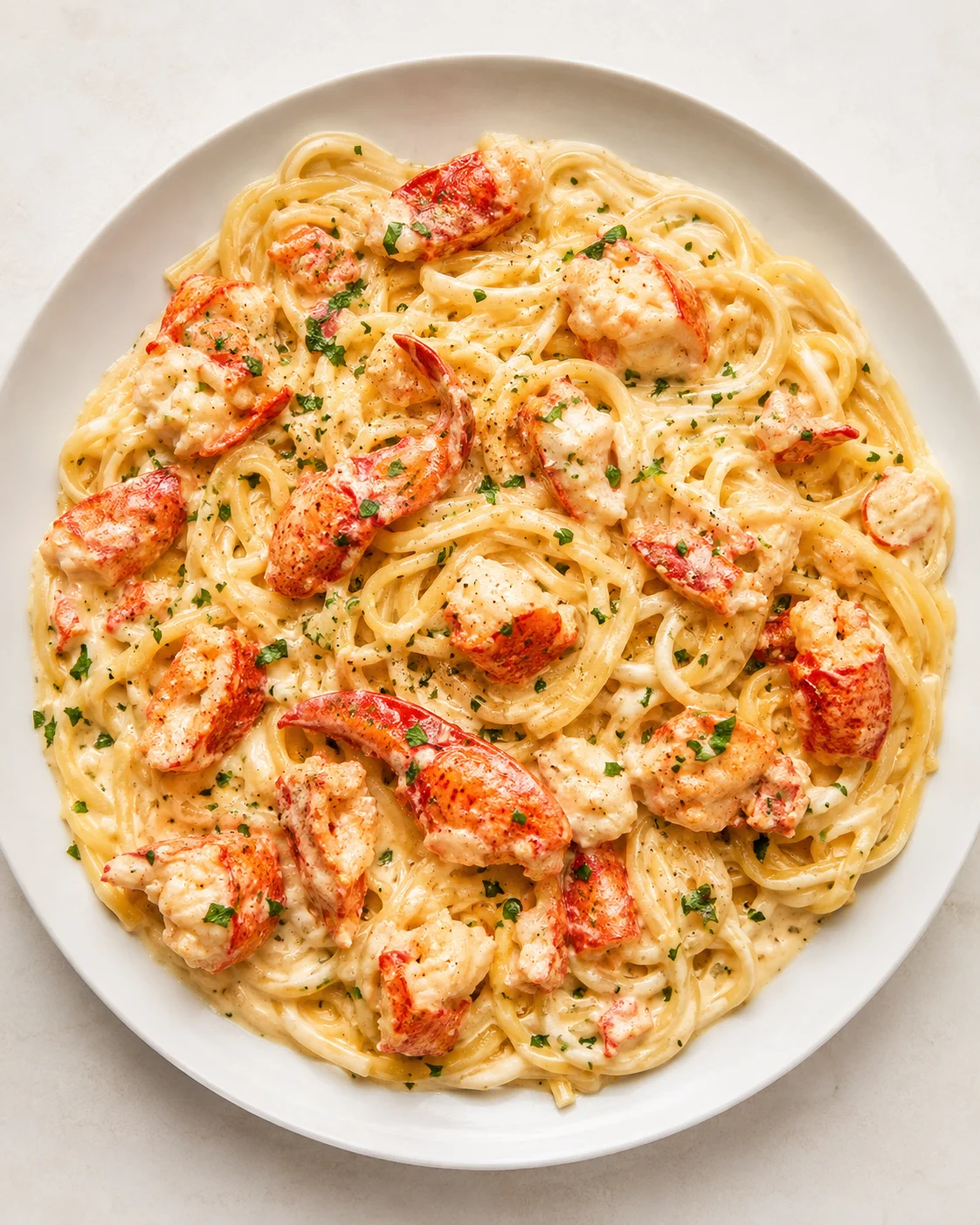
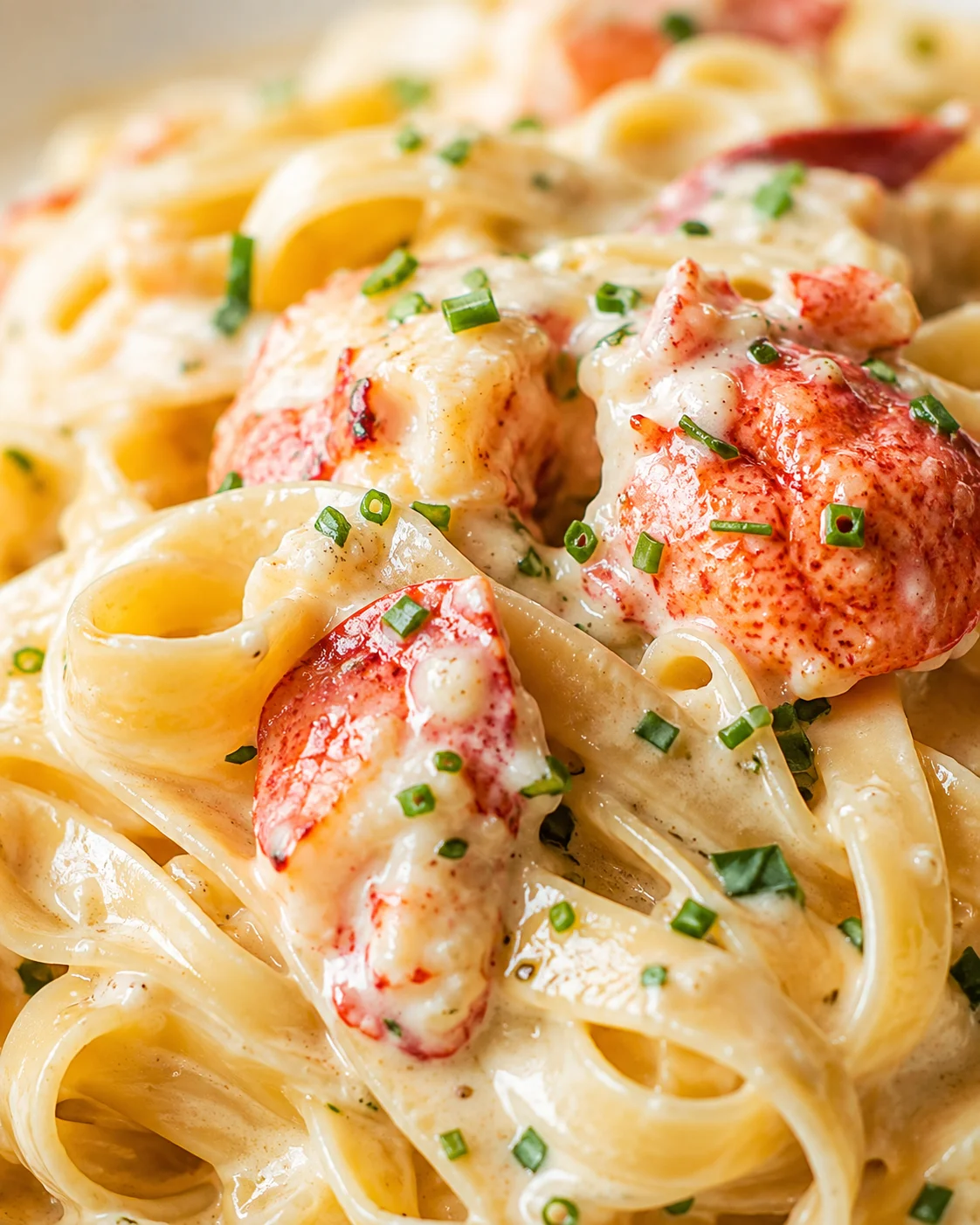
Creamy Lobster Pasta
Welcome to our ultimate collection of the TOP 10 Crockpot Recipes for 2025. If you’re after easy, hands-off weeknight dinners, comforting soups for chilly nights, or make-ahead meals that save time during busy days, you’re in the right place. This selection features the best slow cooker recipes packed with rich, slow-simmered flavor and zero fuss. You’ll find everything from hearty soups and stews to tender braises, veggie-friendly mains, and simple desserts—all chosen for taste, ease, and reliability.
This roundup gathers ten dependable slow cooker recipes that make home cooking simpler and more delicious. You’ll get a mix of soups, stews, braises, vegetarian mains, and a few easy desserts—each designed for deep, slow-cooked flavor with very little hands-on time.
The recipes range from quicker crockpot meals you can finish in just a few hours on HIGH to all-day LOW cooks that develop richer, bolder flavors. Most use common pantry staples and budget-friendly cuts of meat (or beans and legumes for plant-based options), making them perfect for weeknight dinners, meal prep, or feeding a crowd.
- What you’ll gain: hearty, simple dishes that scale up easily and freeze or reheat like a dream.
- How to navigate this list: choose recipes based on the time you have, what’s in your pantry, or the flavor style you’re craving—think Mexican, Italian-American comfort food classics, and more.
- Make the recipes your own: check out the Ingredient Checklist, Chef’s Tips, and Flavor Variations below to swap proteins, tweak seasonings, and plan make-ahead or freezer-friendly meals.
Ready to toss ingredients in your crockpot and walk away? Pick a recipe that fits your schedule and pantry, and lean on the tips in this guide for tasty, fuss-free slow cooker meals every time.
What Makes This Dish Special
- Effortless cooking: just add your ingredients, set the timer, and let your crockpot work its magic while you get on with your day.
- Bold, deep flavors from gentle cooking—the lobster stays tender—try Butter Poached Lobster Tails for ultra-silky texture—and the sauce becomes luxuriously rich.
- Budget-friendly and versatile: take inexpensive cuts and pantry staples and transform them into soulful, satisfying meals.
- Perfect for meal prepping or entertaining: most recipes easily scale from family dinners to feeding a crowd.
- Many freezer-friendly and make-ahead options make busy weeks so much simpler.
Ingredients You’ll Need
- chicken thighs
- chuck roast
- pork shoulder
- dried or canned beans
- tofu or tempeh for vegetarian twists
- onions
- carrots
- celery
- potatoes or sweet potatoes
- garlic
- canned tomatoes
- low-sodium broths
- wine or beer (optional)
- soy sauce
- vinegar
- fresh citrus
- salt
- pepper
- dried herbs like thyme, oregano, bay leaves
- spice blends such as smoked paprika and cumin
- fresh herbs to finish
- cornstarch or arrowroot powder
- cream or coconut milk
- fresh parsley or cilantro
- grated cheese
- quick-cooking grains or pasta
Prepare the Pasta and Sauce
- Cut ingredients into even pieces and trim excess fat from meats.
- If using dried beans, soak them beforehand or plan for longer cooking.
- Optionally brown large cuts of meat briefly in a skillet before adding to the crockpot to boost flavor.
- Don’t overfill the crockpot; leave about 1–2 inches of space (aim for no more than two-thirds full).
- Layer firmer vegetables (e.g., potatoes, carrots) on the bottom, place meat on top, then add aromatics and seasonings last.
- Pour in enough cooking liquid (broth, canned tomatoes, etc.) to partially cover ingredients—use less than you would on the stove.
- Set the crockpot to LOW for longer cooks (about 6–10 hours) or HIGH for quicker meals (about 3–5 hours), adjusting time per recipe.
- Keep the lid closed while cooking and avoid peeking until near the end.
- Stir only toward the end of cooking if the recipe calls for it.
- Add dairy or delicate fresh herbs in the last 20–30 minutes to prevent curdling and preserve freshness.
- Stir in quick-cooking grains or pasta during the last half hour, or cook them separately and stir in when serving.
- Wait to add salt until toward the end of cooking to avoid over-salting as liquids reduce.
-
If the sauce is too thin, remove some liquid, whisk in a cornstarch slurry and simmer until thickened, or thicken by mashing/pureeing cooked vegetables or beans.
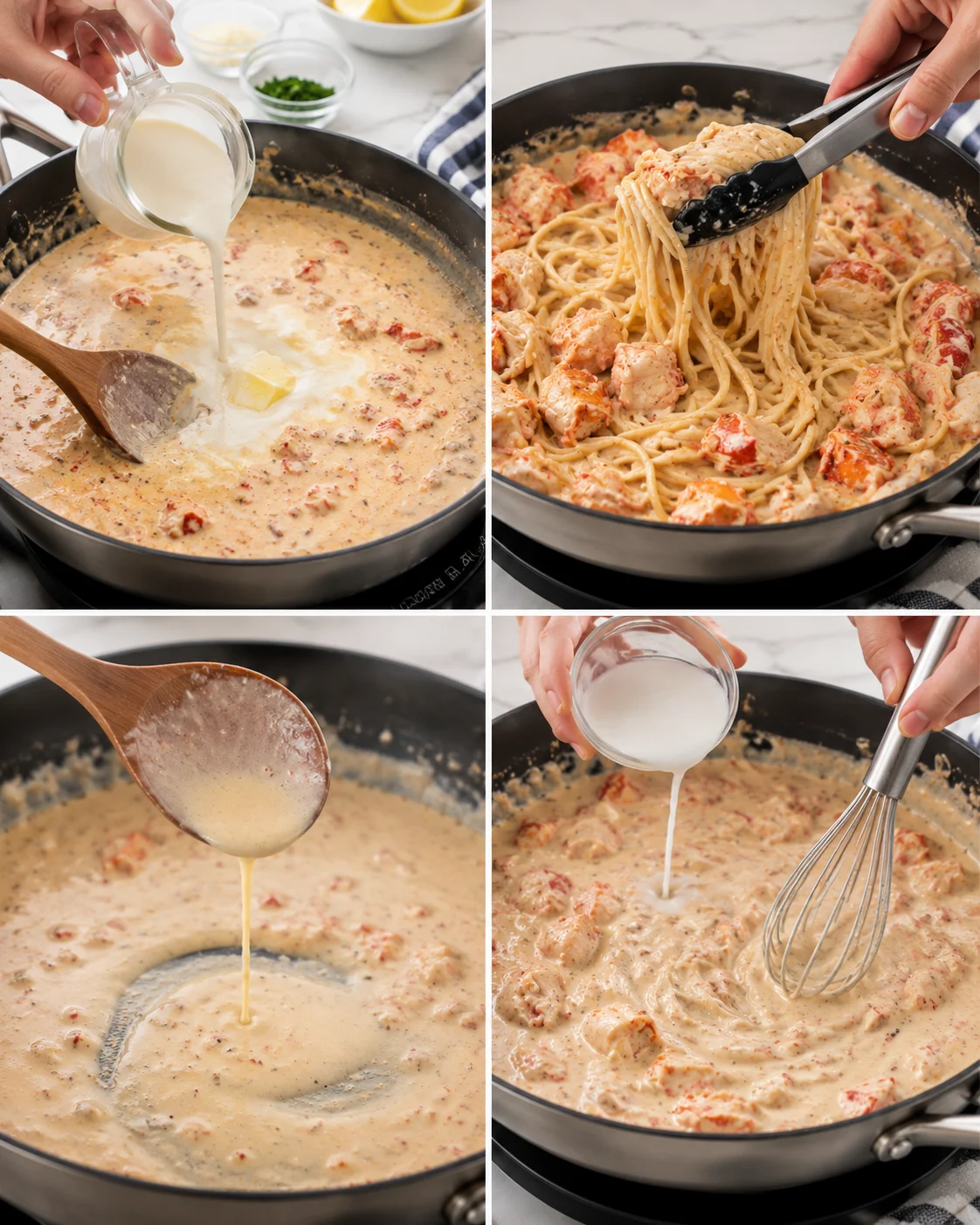
- Taste and adjust seasoning just before serving.
- On your first try, check doneness early and adjust future cooking times based on your crockpot and ingredient sizes.
Pro Tips for Perfect Results
- Don’t overfill your crockpot: leave about 1–2 inches of space at the top so heat circulates properly. Aim for no more than two-thirds full to get the best cooking results.
- Cut your ingredients evenly: this helps everything cook through at the same pace and avoids undercooked bits.
- Wait to salt: add salt toward the end of cooking since flavors concentrate and liquids reduce during the slow cook, which can easily lead to over-salting if done too soon.
- If using dried beans, soak them beforehand or plan for longer cooking. Unsoaked dried beans can stay tough or even be unsafe if not cooked properly.
- For creamy textures, add dairy products or delicate fresh herbs in the last 20–30 minutes of cooking—this prevents curdling and keeps herbs fresh-tasting.
- Check doneness early on your first try: cooking times are a guideline and can vary with crockpot model and ingredient size, so taste-test to get it just right.
Flavor Swaps and Add-Ins
- Swap out proteins easily: substitute beef chuck with pork shoulder or chicken thighs for faster cooking; use lentils, chickpeas, or tempeh for vegetarian or vegan options.
- Mix up flavor profiles by changing the seasoning blend—try Mexican-inspired chipotle, cumin, and cilantro, Italian touches like oregano, basil, and tomatoes (or go classic with a creamy Italian seafood pasta like Lobster Alfredo), or Indian spices such as garam masala, turmeric, and coconut milk.
- Lighten things up: use more veggies, leaner meats, cut back on added fats, and choose low-sodium broth to keep calories in check.
- Thicken in different ways: mashed root veggies, pureed beans, or a simple cornstarch slurry work great instead of cream or flour-based thickeners.
- Create one-pot meals: stir in quick-cooking grains or pasta during the last half hour (for a rice-based seafood option, see Creamy Lobster Risotto) or serve your slow cooker main dish over rice, quinoa, or creamy mashed potatoes for a full, satisfying dinner.
Storing, Freezing, and Reheating
- Refrigerate leftovers: let your dishes cool to room temperature within two hours, then store in airtight containers and keep in the fridge for 3–4 days. Leftover lobster meat is fantastic in classic lobster rolls with butter.
- Freeze for later: most slow cooker recipes freeze beautifully. Cool completely, portion into freezer-friendly containers or bags, and label with the date and contents. Freeze for up to 3 months.
- Reheat gently: thaw frozen meals overnight in the fridge when you can, then warm on the stove or in the crockpot on LOW until heated through. Microwaving works fine for smaller portions—just stir halfway through for even heating.
- Make ahead: assemble ingredients in a freezer-safe bag (hold off on adding dairy or fresh herbs), freeze it, then thaw in the fridge before tossing everything into the crockpot and cooking. For an easy freezer-friendly flavor boost, keep a batch of lobster & crab butter bombs on hand to melt in at the end.
Quick Answers to Common Questions
- Q: Can I put frozen meat straight into the crockpot? A: It’s safest to thaw meat first since large frozen pieces can stay in the temperature danger zone too long, risking food safety. Small frozen bits might work if your recipe allows for longer cooking and hits a safe internal temp quickly.
- Q: How can I convert oven recipes for the crockpot? A: Cut the liquid by about one-third because crockpots lock in moisture. Lower the temperature and increase cooking time—usually two to three times longer at low heat than oven recipes. Keep an eye on texture and doneness the first time you try it.
- Q: Is it okay to cook rice or pasta in the crockpot? A: Rice and pasta tend to overcook and get mushy if left too long in the slow cooker. Add them near the end of cooking or cook separately and stir them in when serving. For make-ahead options that keep their bite, try one of our 15 easy pasta salad recipes you can make in 30 minutes.
- Q: Why is my stew watery? A: Crockpots hold in moisture, so watery stews are common. Try thickening with a cornstarch slurry (1 tbsp cornstarch mixed with 1–2 tbsp cold water) heated on the stove, mash some cooked veggies into the sauce, or take the lid off and cook on HIGH briefly to reduce liquid.
- Q: Are slow cooker liners safe to use? A: Liners make cleanup easier but can stop the browning if you sear meat first since they block direct heat contact. Follow liner instructions and avoid using them when your recipe needs high-heat searing in the insert.
A collection of top 10 slow cooker recipes for easy, hands-off weeknight dinners, comforting soups, and make-ahead meals featuring hearty soups, stews, braises, vegetarian mains, and simple desserts with rich, slow-simmered flavors.
- Prep Time: 15-30 minutes (varies by recipe)
- Cook Time: 3-10 hours depending on setting and recipe
- Total Time: 3 hours 15 minutes to 10 hours 30 minutes depending on recipe and prep
- Yield: Varies per recipe, typically serves 4-6 persons
- Category: Main Course
Ingredients
- Chicken thighs (quantity per recipe varies)
- Chuck roast (quantity per recipe varies)
- Pork shoulder (quantity per recipe varies)
- Dried or canned beans (quantity per recipe varies)
- Tofu or tempeh for vegetarian twists (quantity per recipe varies)
- Onions (quantity per recipe varies)
- Carrots (quantity per recipe varies)
- Celery (quantity per recipe varies)
- Potatoes or sweet potatoes (quantity per recipe varies)
- Garlic (quantity per recipe varies)
- Canned tomatoes (quantity per recipe varies)
- Low-sodium broths (quantity per recipe varies)
- Wine or beer (optional, quantity per recipe varies)
- Soy sauce (quantity per recipe varies)
- Vinegar (quantity per recipe varies)
- Fresh citrus (quantity per recipe varies)
- Salt (to taste)
- Pepper (to taste)
- Dried herbs such as thyme, oregano, bay leaves (quantities per recipe vary)
- Spice blends such as smoked paprika and cumin (quantities per recipe vary)
- Fresh herbs to finish (such as parsley or cilantro)
- Cornstarch or arrowroot powder (amount to thicken sauce as needed)
- Cream or coconut milk (to add creaminess near end of cooking)
- Grated cheese (optional, quantity per recipe varies)
- Quick-cooking grains or pasta (added near end, quantity per recipe varies)
Instructions
- Cut ingredients into even pieces and trim excess fat from meats.
- If using dried beans, soak them beforehand or plan for longer cooking times.
- Optionally brown large cuts of meat briefly in a skillet before adding to the crockpot to boost flavor.
- Don’t overfill the crockpot; leave about 1–2 inches of space; aim for no more than two-thirds full.
- Layer firmer vegetables (e.g., potatoes, carrots) on the bottom, place meat on top, then add aromatics and seasonings last.
- Pour in enough cooking liquid (broth, canned tomatoes, etc.) to partially cover ingredients—use less than on the stove.
- Set the crockpot to LOW for longer cooks (about 6–10 hours) or HIGH for quicker meals (about 3–5 hours), adjusting time per recipe.
- Keep the lid closed while cooking and avoid peeking until near the end.
- Stir only toward the end of cooking if the recipe calls for it.
- Add dairy or delicate fresh herbs in the last 20–30 minutes to prevent curdling and preserve freshness.
- Stir in quick-cooking grains or pasta during the last half hour, or cook them separately and stir in when serving.
- Wait to add salt until toward the end of cooking to avoid over-salting as liquids reduce.
- If the sauce is too thin, remove some liquid, whisk in a cornstarch slurry, then simmer until thickened, or thicken by mashing/pureeing cooked vegetables or beans.
- Taste and adjust seasoning before serving.
- Check doneness early on first try and adjust cooking times as needed for your specific crockpot and ingredient sizes.
Notes
Do not overfill crockpot to ensure even cooking., Cut ingredients evenly for uniform cooking., Salt towards the end to prevent over-salting due to liquid reduction., Soak dried beans before cooking or allow longer cook time., Add dairy and fresh herbs late in cooking to prevent curdling and retain freshness., Adjust cooking time based on crockpot model and ingredient size., Flavor swaps include swapping proteins (beef, pork, chicken, lentils, chickpeas, tempeh) and seasoning blends (Mexican chipotle and cumin, Italian oregano and basil, Indian garam masala and turmeric with coconut milk)., Thicken sauces with cornstarch slurry, mashed root vegetables, or pureed beans., Add grains or pasta near the end or serve separately to avoid mushiness., Leftovers refrigerate 3–4 days; freeze up to 3 months., Reheat gently; thaw frozen meals overnight or microwave small portions with stirring., Make ahead by assembling ingredients in freezer bags (hold off on dairy/herbs), freeze, thaw, and cook., Avoid putting frozen meat directly in slow cooker unless small pieces and longer cooking ensure safe temps., Convert oven recipes by reducing liquid by about one-third and increasing cooking time (2-3 times longer on LOW)., Avoid using slow cooker liners when searing meat first, as liners block direct heat.
Nutrition
- Serving Size: Varies by recipe; typically 1 cup to 1 bowl servings
- Calories: Varies per recipe; typically moderate depending on protein and ingredients used
- Fat: Depends on choice of protein and use of cream or coconut milk in recipe
- Carbohydrates: Varies depending on use of grains, pasta, potatoes, or beans
- Protein: Varies with protein chosen, e.g., beef, chicken, pork, tofu, beans
More in Recipes
Carrot and Lentil Soup
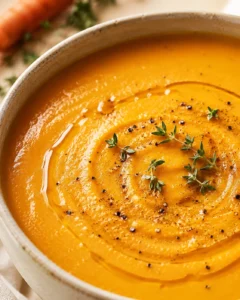
Spiced Carrot and Apple Soup